Taxi Dispatch Software in New Zealand: What Taxi Companies Must Look for in 2026
The taxi industry in New Zealand is evolving rapidly, and with that evolution comes the need for smarter, more adaptable technology. Many taxi operators across cities like Auckland, Christchurch, and regional areas are actively searching for better dispatch solutions that can keep up with modern demand. However, choosing the right taxi dispatch software is no longer just about basic booking functionality. It has become a strategic decision that directly impacts efficiency, revenue, and long-term growth.
In 2026, taxi companies must look beyond traditional systems and focus on platforms that are built for real-world operational challenges. A modern dispatch system should not only handle bookings but also streamline the entire business—from driver management to revenue collection.
One of the first and most important features to consider is real-time automation. Manual dispatching is no longer sustainable in a competitive environment. Customers expect instant confirmations, and drivers need immediate trip allocation. A system that uses GPS-based automation ensures that bookings are assigned to the nearest available driver without delays. This not only improves customer satisfaction but also increases the number of trips completed per vehicle each day.

Another critical factor is financial management within the system. Many taxi companies in New Zealand still rely on weekly invoicing and manual payment distribution. While this method has been used for years, it creates unnecessary administrative work and delays in cash flow. Modern platforms are now shifting toward automated revenue models where booking fees and platform charges are deducted in real time, eliminating the need for manual invoicing.
Driver management is equally important. A reliable dispatch system should provide drivers with a smooth and intuitive app experience. Clear trip details, real-time navigation, and transparent earnings tracking are essential for maintaining driver satisfaction. When drivers are comfortable with the system, they are more productive and more likely to stay with the company long term.
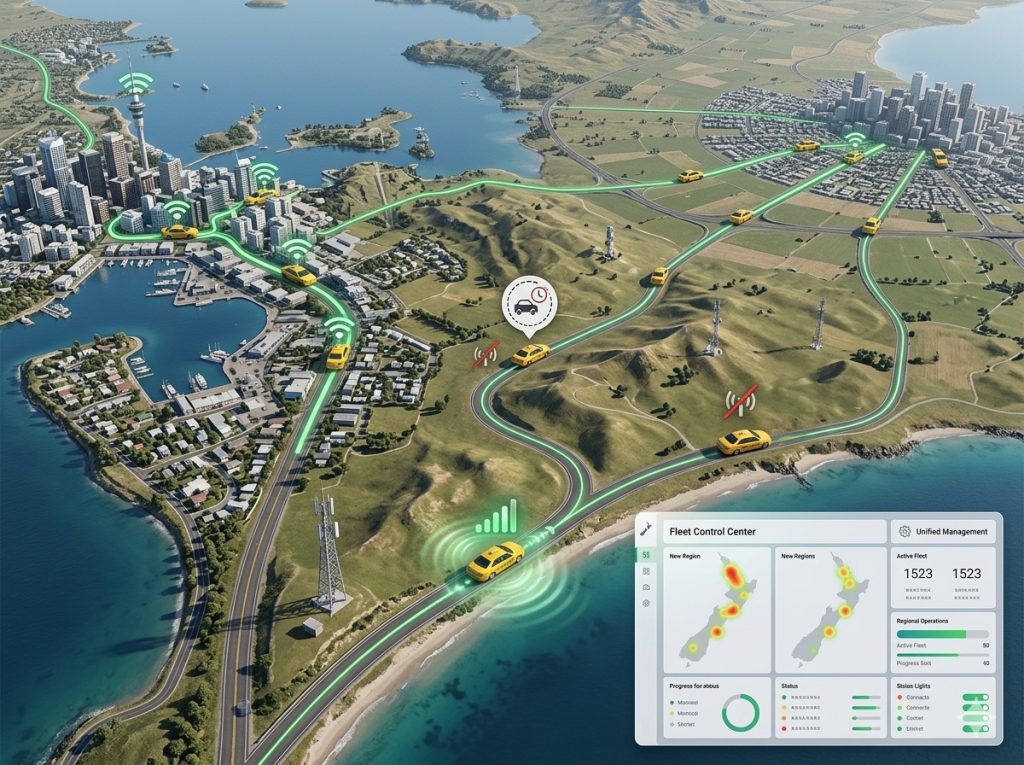
Offline capability is another feature that cannot be ignored. New Zealand’s geography includes areas where network coverage can be inconsistent. A dispatch system that stops working without internet connectivity creates operational risks. Modern platforms solve this problem by allowing drivers to continue trips offline, with all data syncing automatically once the connection is restored.
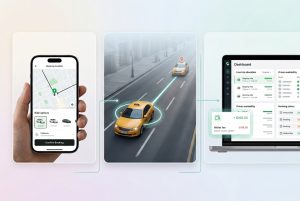
Scalability is also a key consideration for growing businesses. Whether a company is operating in one city or planning to expand across multiple regions, the system should support multi-city operations without requiring major changes. This includes the ability to manage different pricing models, service types, and driver networks within a single platform.
Additionally, flexibility in service offerings is becoming increasingly important. Taxi companies are no longer limited to standard rides. Many are expanding into airport transfers, long-distance travel, and tourism-related services. A modern dispatch system should support all these options within one unified platform.
In conclusion, choosing the right taxi dispatch software in New Zealand is not just about technology—it is about building a future-ready business. Companies that invest in systems with automation, flexible revenue models, offline capability, and scalability will be better positioned to compete in an increasingly digital and customer-focused market.