


Make local charges clear
Scope tax-inclusive or tax-exclusive fare displays, applicable tax fields and the treatment of fees and fare components for your country.
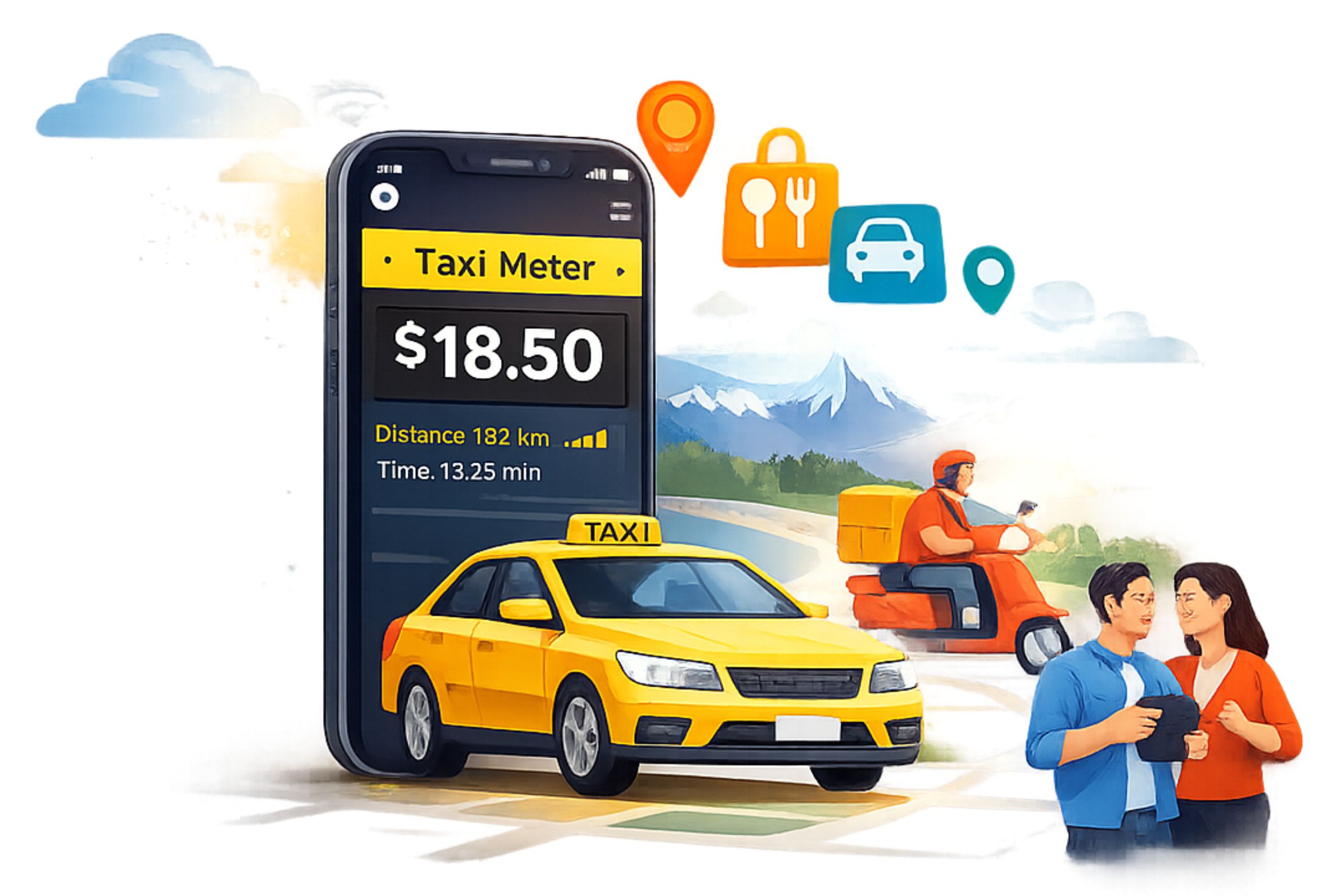
Unlike conventional meters, our system continues to calculate fares seamlessly using GPS data, ensuring uninterrupted service, transparent pricing, and complete reliability for drivers and passengers. Fully integrated with the driver app and backend system, it enables operators to maintain control, consistency, and professionalism across their entire fleet.
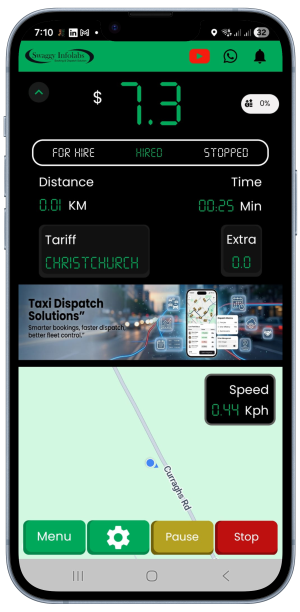
Our mobile apps are trusted by taxi and delivery businesses to manage bookings, track drivers in real time, and deliver a seamless customer experience across every trip.
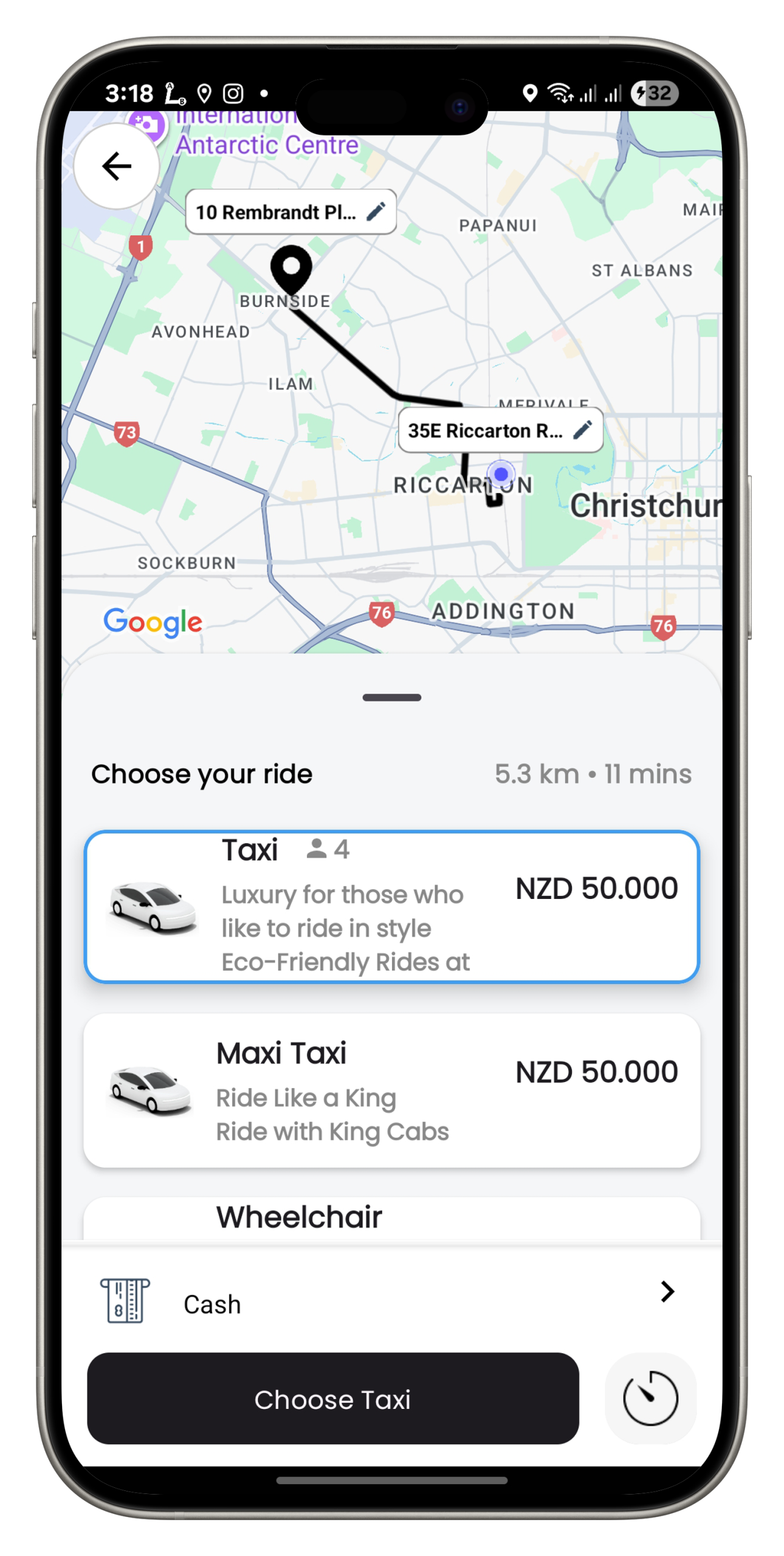
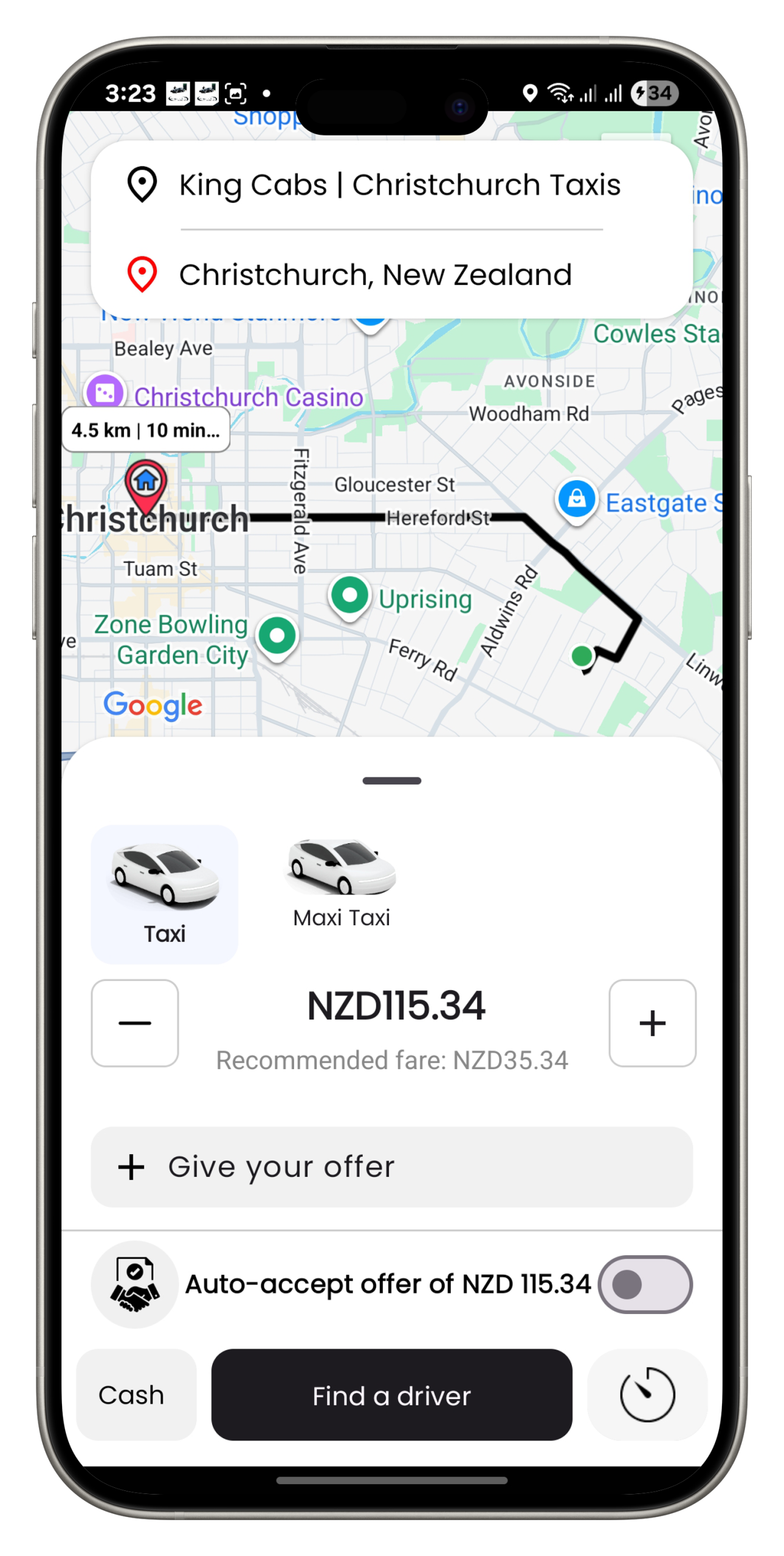
Our backend platform works seamlessly with the driver app and GPS taxi meter, ensuring accurate data flow even when drivers operate in low-connectivity environments. With automatic syncing and real-time updates, operators always have complete visibility and control.
From small taxi businesses to large-scale mobility platforms, this system is built to optimize operations, improve efficiency, and support long-term growth.
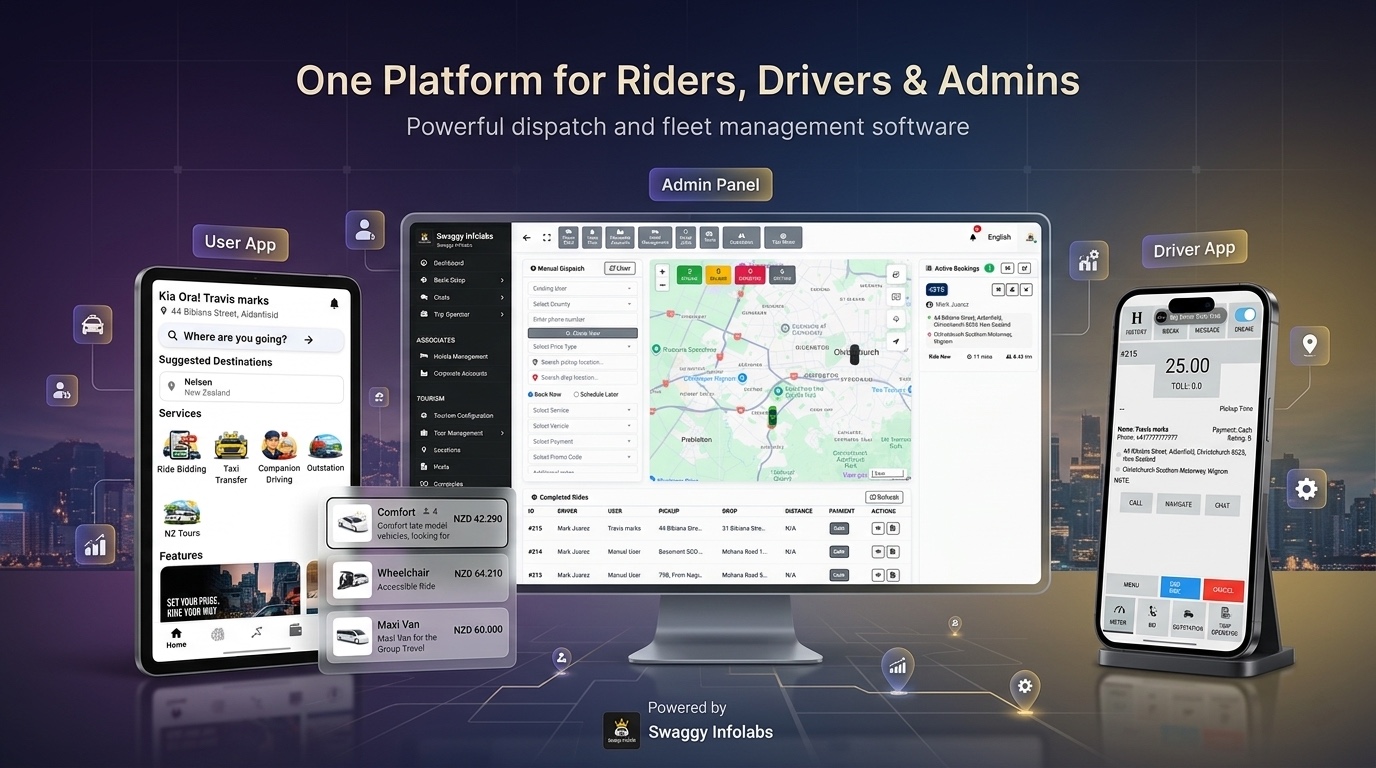
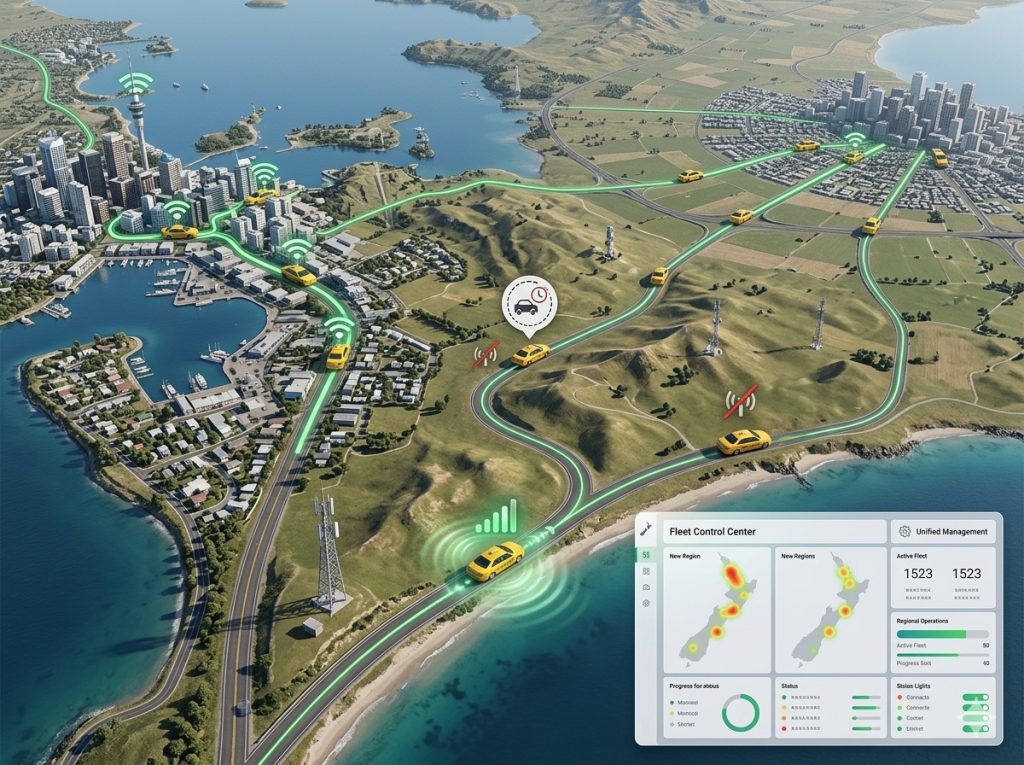
Monitor trips, driver performance, and revenue in real time. Make data-driven decisions to improve efficiency and maximize profitability across your fleet.
Automatically assign drivers, manage bookings, and optimize routes with intelligent dispatch technology — reducing manual work and improving response time.
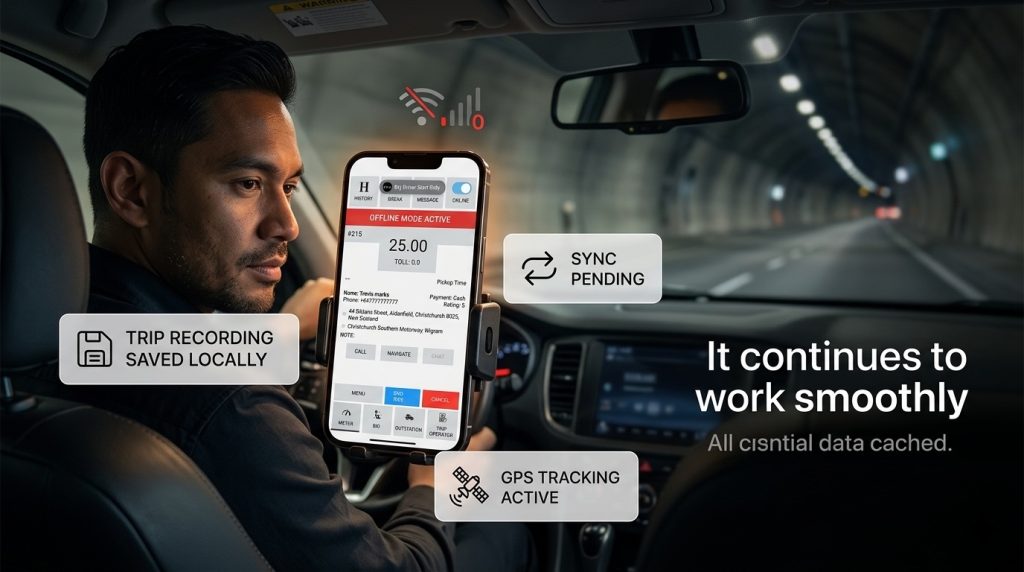
Our system continues to function even in low network or offline conditions. Trips, fares, and driver activity are recorded using GPS and synced automatically when connectivity is restored.
We combine smart automation, live tracking, and scalable cloud infrastructure to help taxi and delivery businesses operate more efficiently, reduce downtime, and deliver a professional customer experience.
We don’t just provide software — we help you launch and scale a complete taxi or delivery business. Our proven process ensures smooth setup, reliable performance, and long-term success using real-world tested technology.
We understand your business model, target market, and operational needs. Whether you are starting a taxi company or upgrading your existing fleet, we define the right solution for your goals.
We configure your rider app, driver app, dispatch system, and GPS taxi meter based on your business requirements, branding, and pricing model.
Before launch, we test the full system including bookings, driver allocation, and fare calculation. We also guide you and your drivers on how to use the platform effectively.
Go live with confidence. Our team supports you with monitoring, updates, and continuous improvements to ensure smooth operations and business growth.
Globally incubate standards compliant channels before scalable benefits. Quickly disseminate superior deliverables whereas web-enabled applications. Quickly drive clicks-and-mortar catalysts for change before vertical architectures.
Why Wallet-Based Taxi Systems Are the Future of Driver Payments The way taxi companies manage driver payments is undergoing a [...]
Taxi Dispatch Software in New Zealand: What Taxi Companies Must Look for in 2026 The taxi industry in New Zealand [...]

Build the transport business you have in mind. Bring rider bookings, driver apps, live dispatch and GPS fare tools together in a platform configured around your operation.
Independent transport and mobility brands using our technology.
Your taxi platform should fit the country where you operate. Swaggy can customise tax settings and receipt workflows around your market, business entity and agreed operating model.
Plan GST, VAT or other applicable sales-tax requirements alongside fares, commissions and settlements. We work with your team to define the configuration your deployment needs, rather than applying one set of tax rules to every market.
Scope tax-inclusive or tax-exclusive fare displays, applicable tax fields and the treatment of fees and fare components for your country.
Define driver, operator and platform roles, relevant registration details and the tax treatment of commissions or service charges.
Agree the tax identifiers, line items, trip receipts, settlement records and reporting outputs required for your business.
Country rules and responsibilities are confirmed during scoping and tested with your finance or tax adviser before launch. Available fields, reports and integrations depend on the agreed implementation.
Give passengers an easy way to book. Give drivers a connected work tool. Give your team the visibility to run the business.
Swaggy Info Labs provides configurable taxi dispatch and ride-hailing software for taxi companies, private-hire fleets and mobility startups. The platform brings customer and driver apps, dispatcher controls, GPS fare tools and operational records into one connected workflow.
Accept app, web, dispatcher and partner bookings through the channels in your deployment.
Match bookings with eligible drivers, vehicle categories and service requirements.
Keep driver activity, trip status, location and fare workflows connected.
Review trip, earnings, payment and balance records for the configured commercial model.
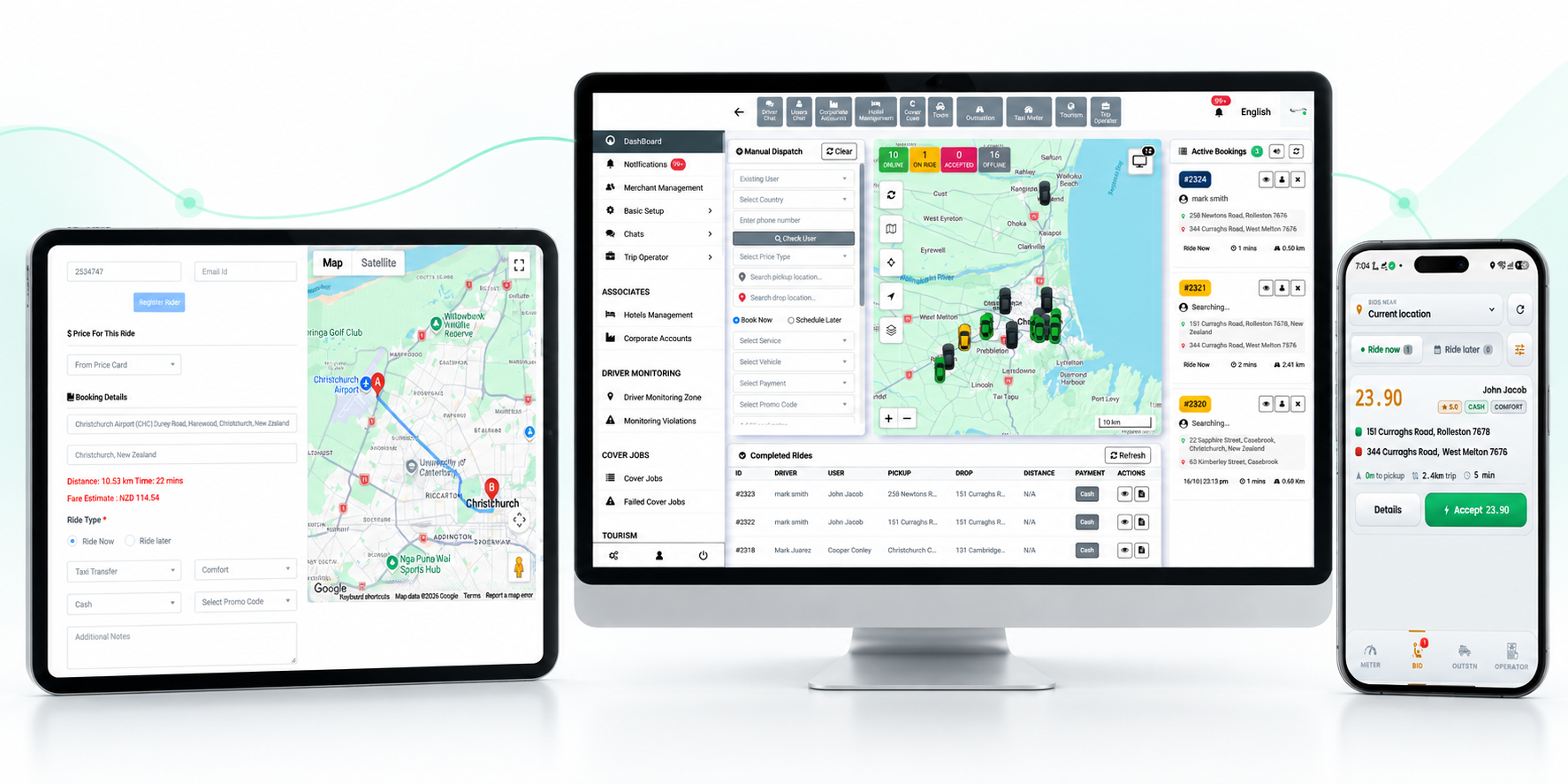
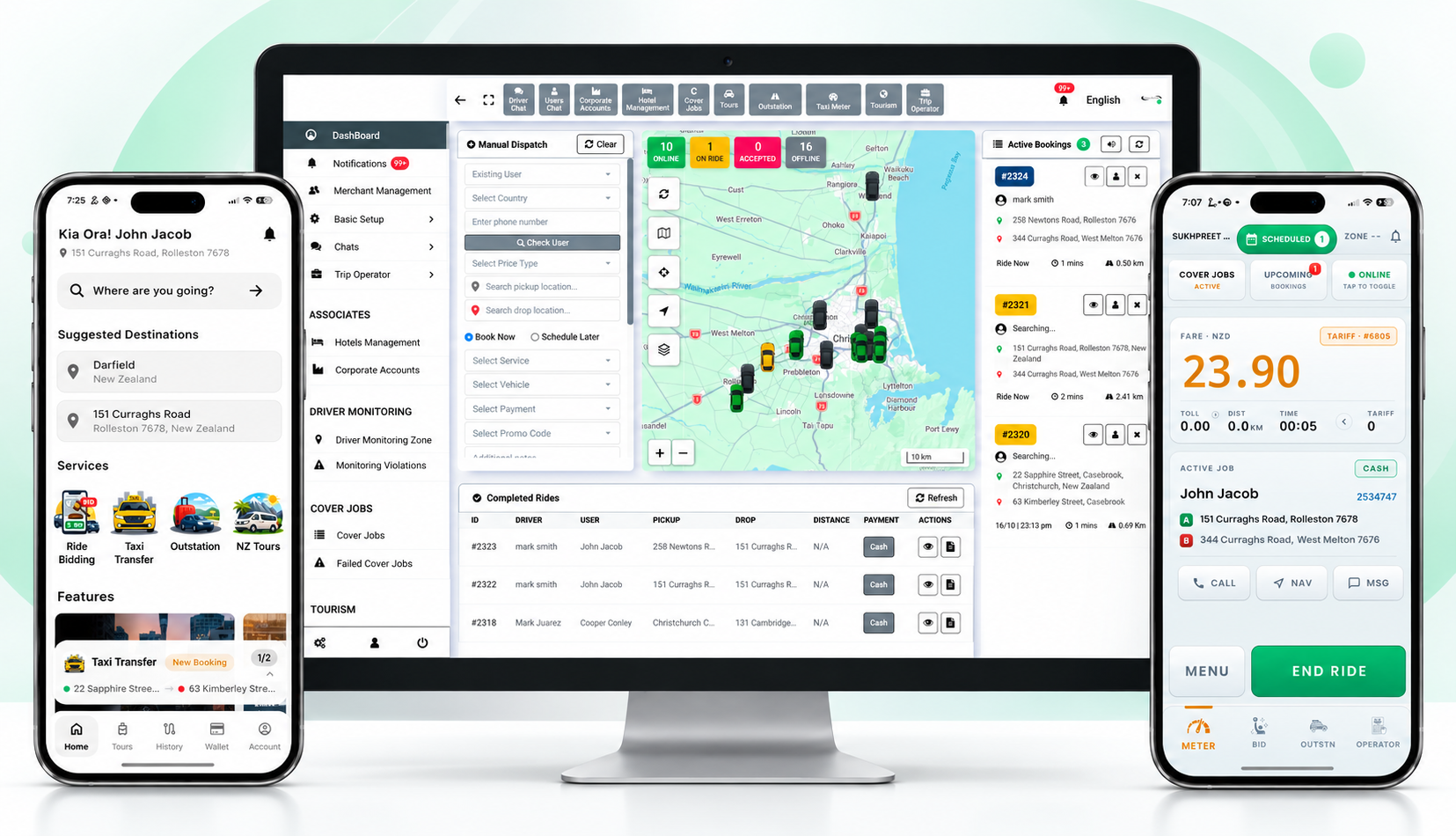
Taxi fleet management software should connect bookings, drivers, vehicles, fares and operational records. Keep the work behind every ride visible to your team.
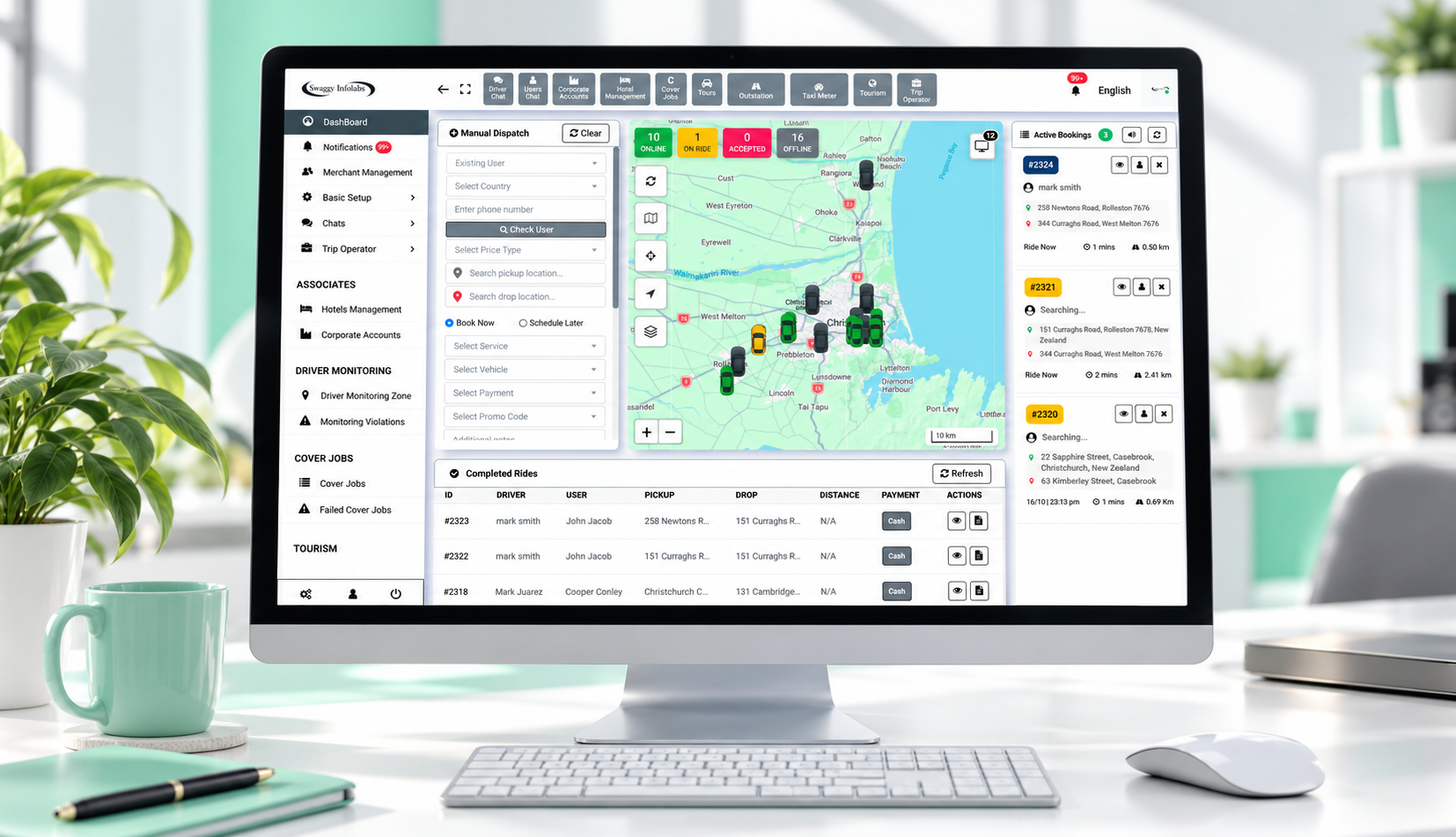
Follow booking status and vehicle locations, review available work and see trip activity from a central operations view. Keep the information needed by the dispatcher close to the booking.
Use automated allocation for suitable jobs and manual dispatch when a controller needs to account for a specific vehicle, passenger requirement or operational exception.
Define service categories, vehicle options, fare settings and operating areas around your business. The booking and allocation rules are scoped to the markets and services you intend to run.
Use trip, driver, earnings and operational records to review activity and resolve exceptions. Confirm the reports and export requirements your team needs during project planning.
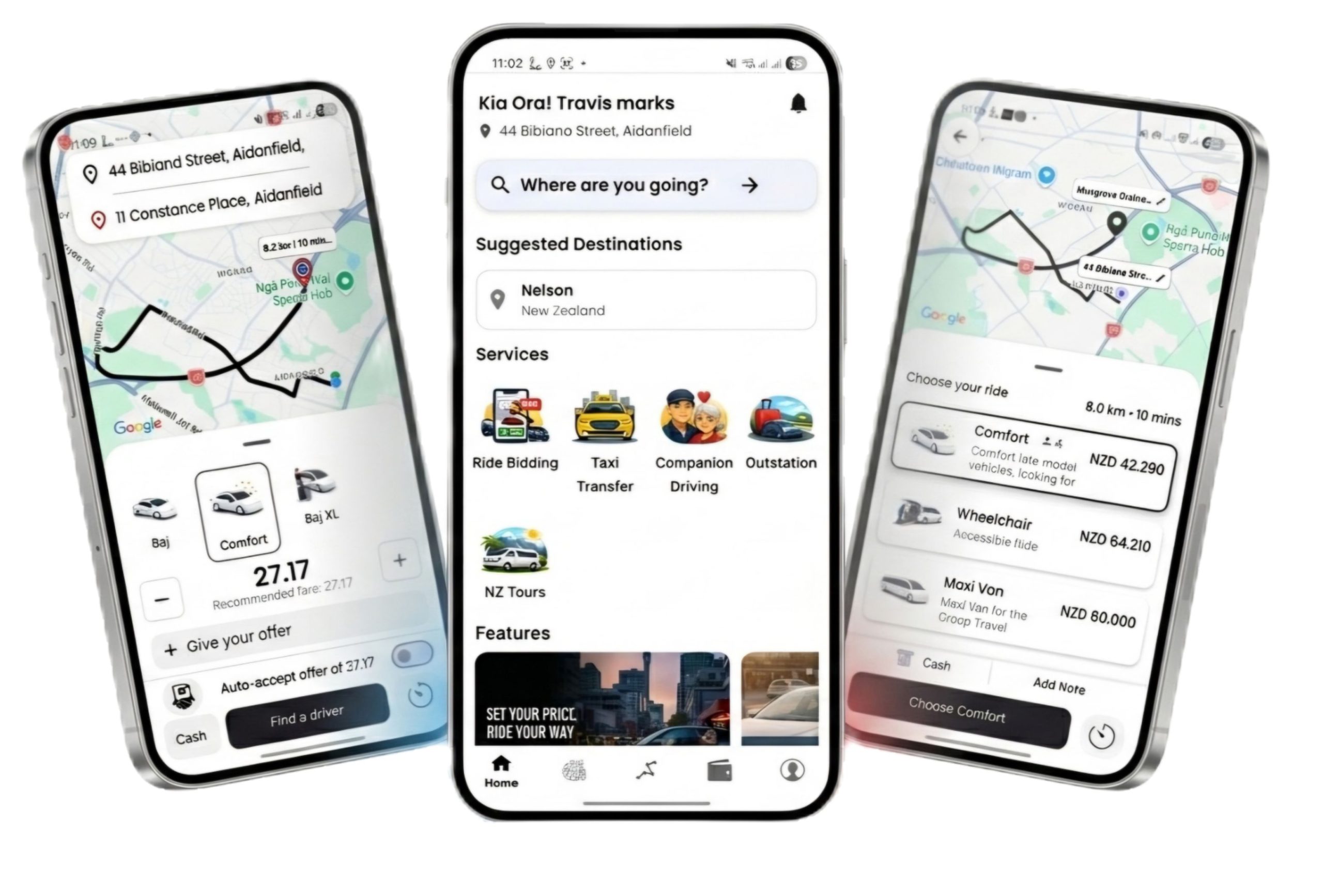
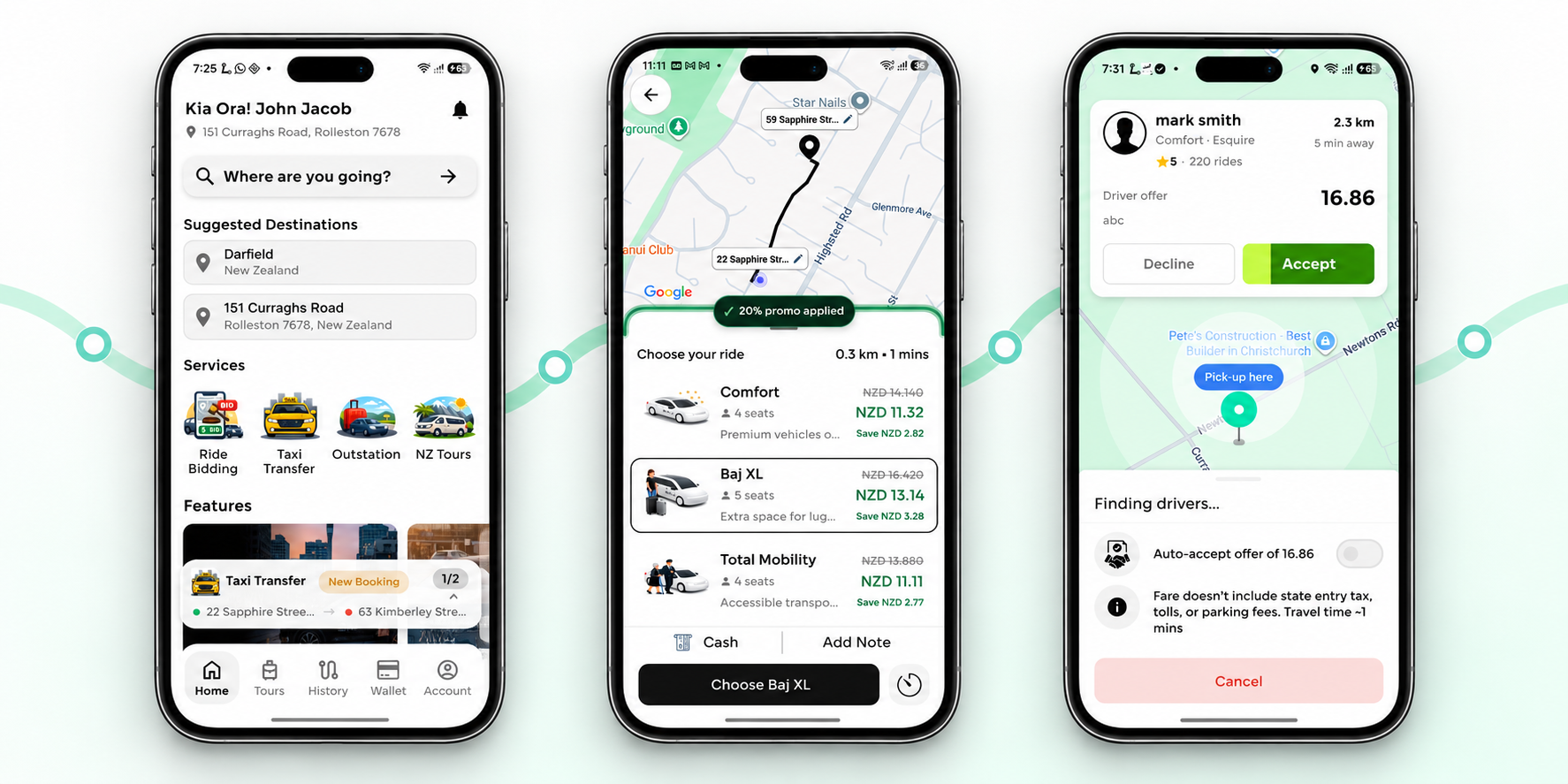
Give customers a white label taxi booking app that reflects your business. Passengers can enter a journey, choose an available service or vehicle category, follow booking progress and view the trip information relevant to the selected service.
Configure the booking experience around your offer: immediate rides, scheduled transfers or additional ride models included in your project. Enabled fare options, promotions, notifications and payment methods can be aligned with that configuration.
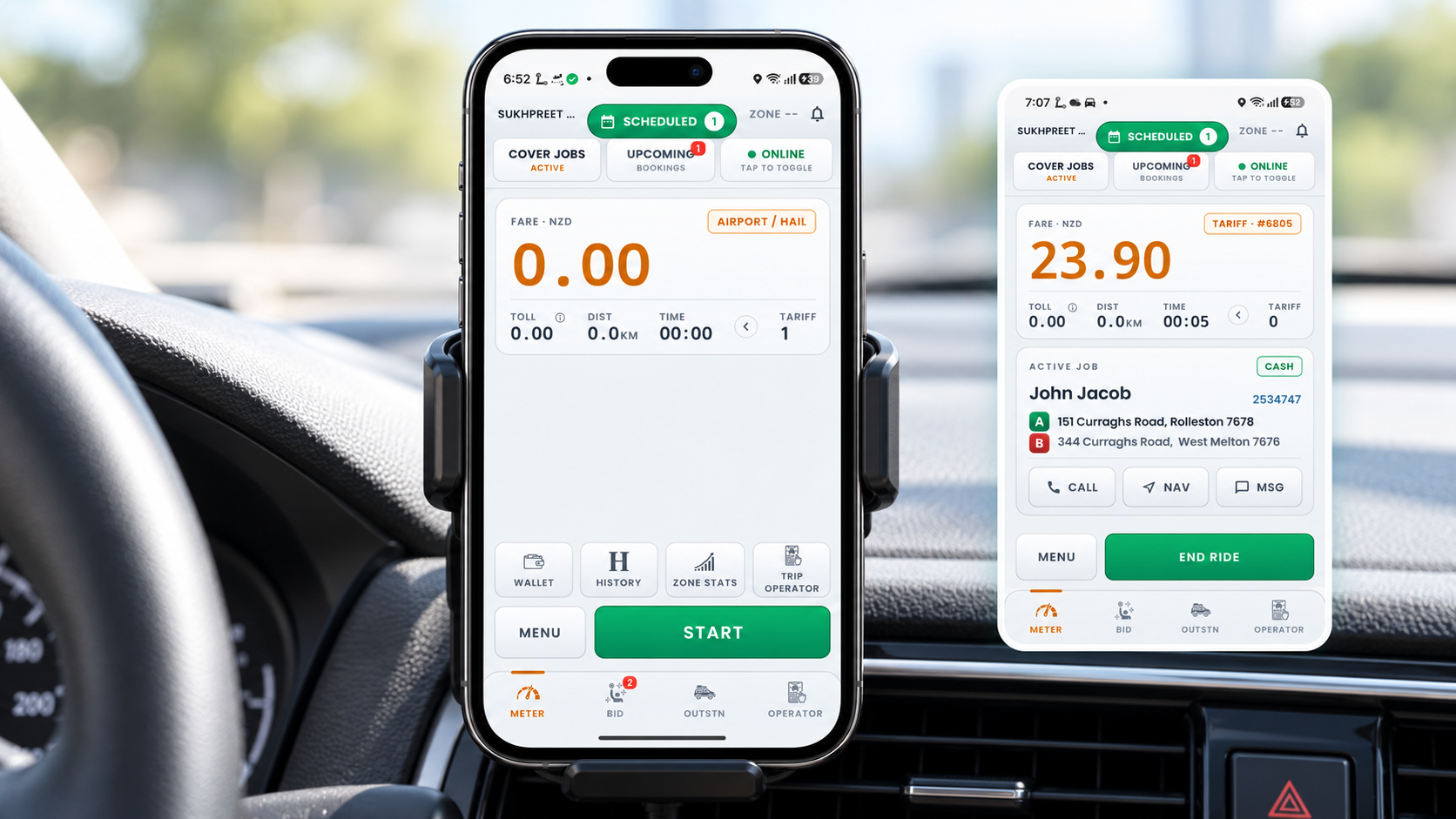
Connect the road to the dispatch operation. The taxi driver app brings together eligible work, trip stages, navigation, fare tools and operational information so drivers can manage the journey through a connected interface.
For metered services, Swaggy’s GPS taxi meter integrates with the driver and backend workflow. Supported fare calculation can continue during poor or unavailable internet connectivity, with recorded information synchronising when the connection returns.
Different buyers need different software. Start with how bookings, drivers and payments should work, then configure the right platform around that model.
Modernise an existing taxi or private-hire operation with digital booking, live dispatch, driver tools, fare controls and management visibility.
If you are searching for an Uber clone, focus on the complete operating system behind the apps: booking, driver allocation, trip tracking, payments and admin control under your own brand.
For a Taxi Sanchalak-style B2B model, discuss an independent marketplace connecting taxi operators, drivers and travel partners, with booking-posting and redistribution workflows scoped to your rules.
Uber and Taxi Sanchalak are referenced to explain business-model searches. Swaggy Info Labs develops an independent platform and is not affiliated with either brand.
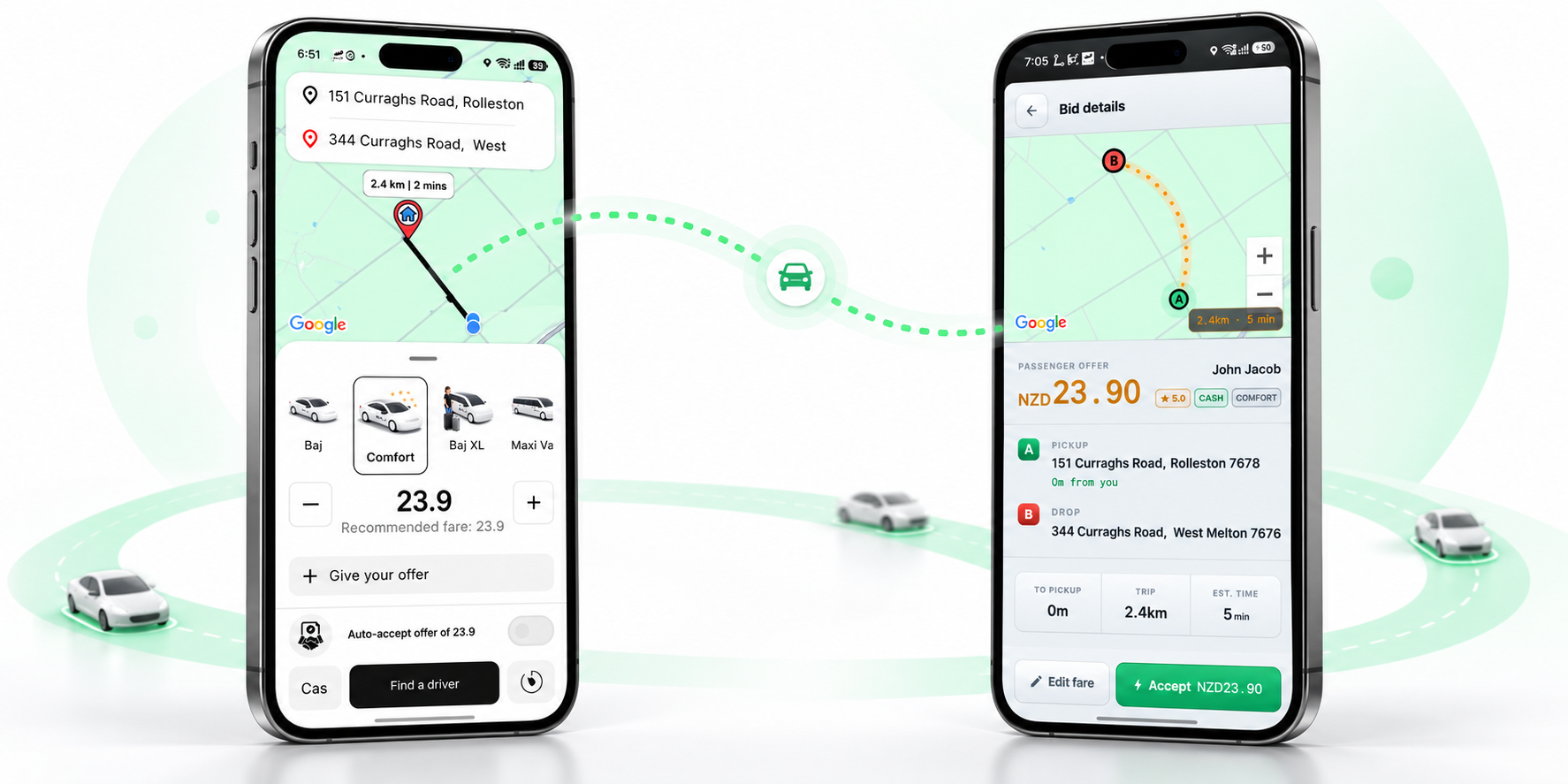
Enable fare-bidding workflows where passengers propose a price and eligible drivers respond according to your rules. Outstation and intercity services can be configured with their own booking and pricing logic rather than being treated as ordinary short trips.
Airport transfers, corporate travel and shared-ride requirements can also be discussed during scoping. Each service should have its own eligibility, fare and operational rules; availability depends on the agreed build.
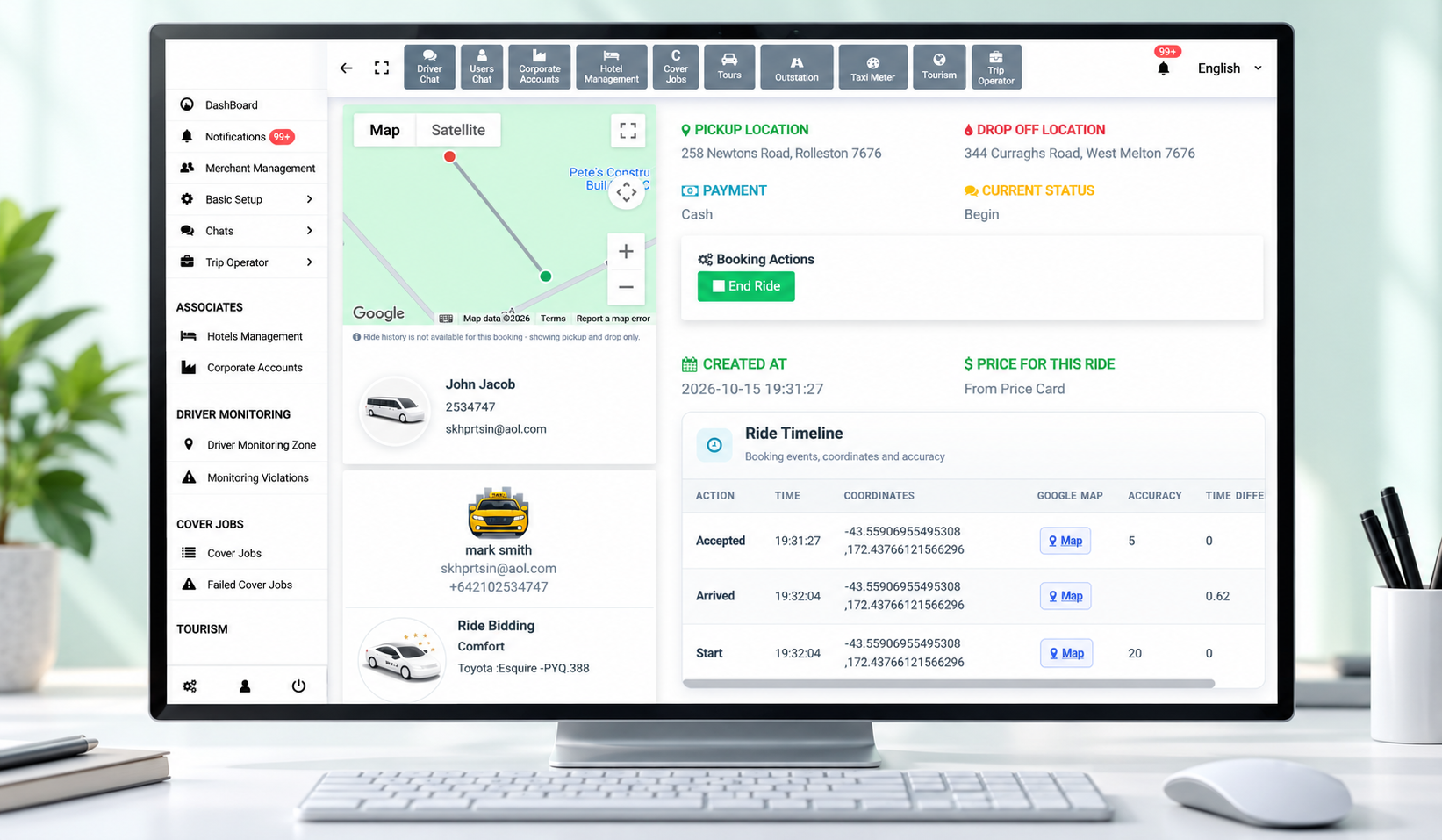
An approved operator workflow can allow suitable bookings to be posted, allocated or redistributed to eligible drivers and transport providers. It gives the business a way to handle overflow, out-of-area demand or specialist vehicle requirements.
Define who can create, accept and manage shared work, which booking details participants can see, and how the commercial record should be handled. Keep this B2B process connected to the main operation.
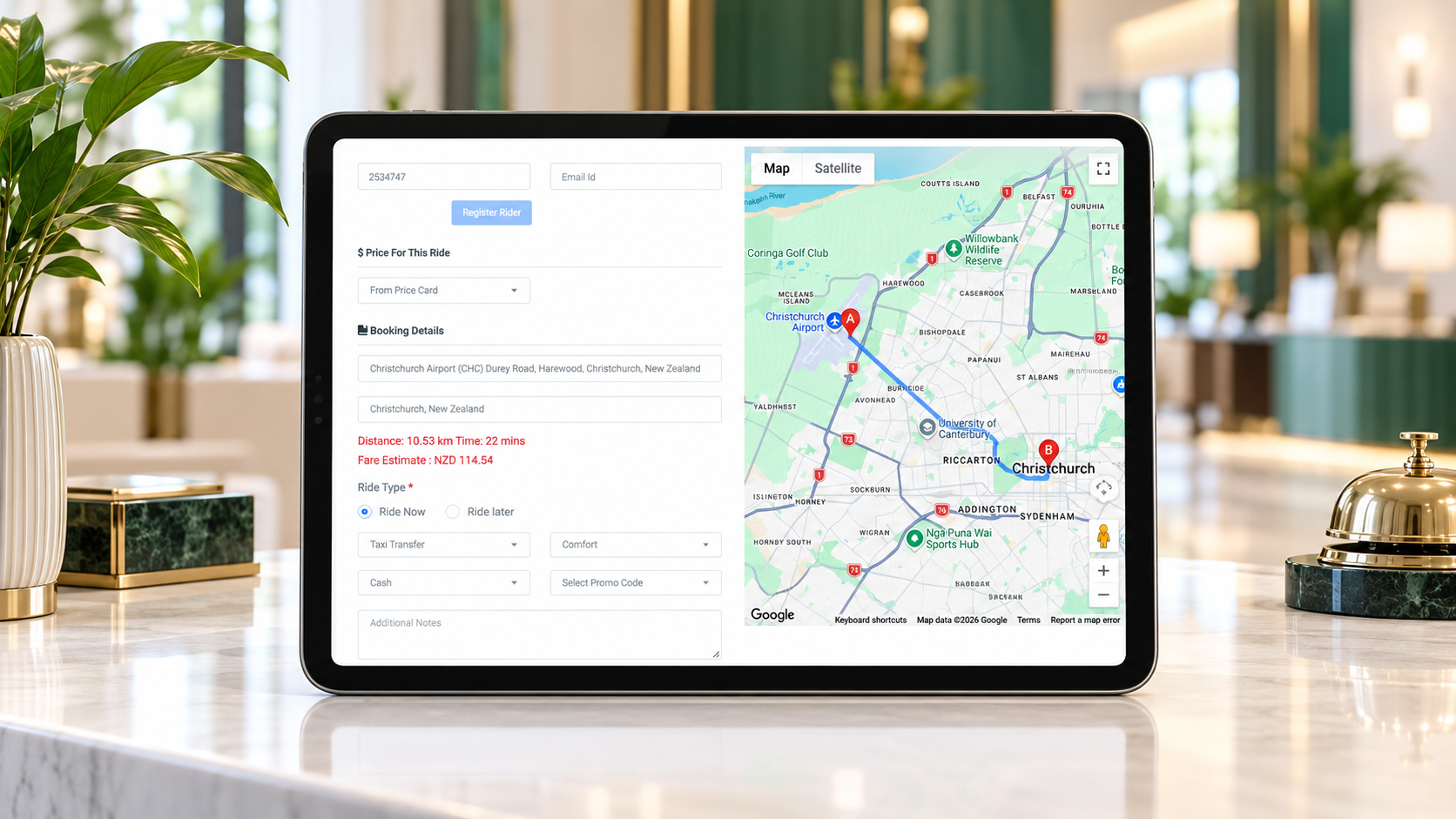
Not every passenger starts in a mobile app. A hotel reception desk, travel partner or business account may need a simpler way to request transport for someone else.
A web booking, kiosk or tablet channel can connect authorised partners to your taxi dispatch system. Receive those jobs alongside app and dispatcher bookings, with the booking details and service rules needed by your operations team.
Bring fare calculation and payment records into the operating workflow. Your configuration can combine approved fare rules, supported payment methods, commissions, balances and transaction records around the way your business earns and settles revenue.
Fixed or rule-based pricing and GPS-meter workflows can be scoped by service. Toll components, minimum fares, waiting charges, discounts and separately disclosed fees can be included where the agreed configuration supports them.
Payment gateways, tax fields, settlement reports and accounting integrations are defined for your entity, market and operating model. The software configuration should follow the rules approved for that deployment.
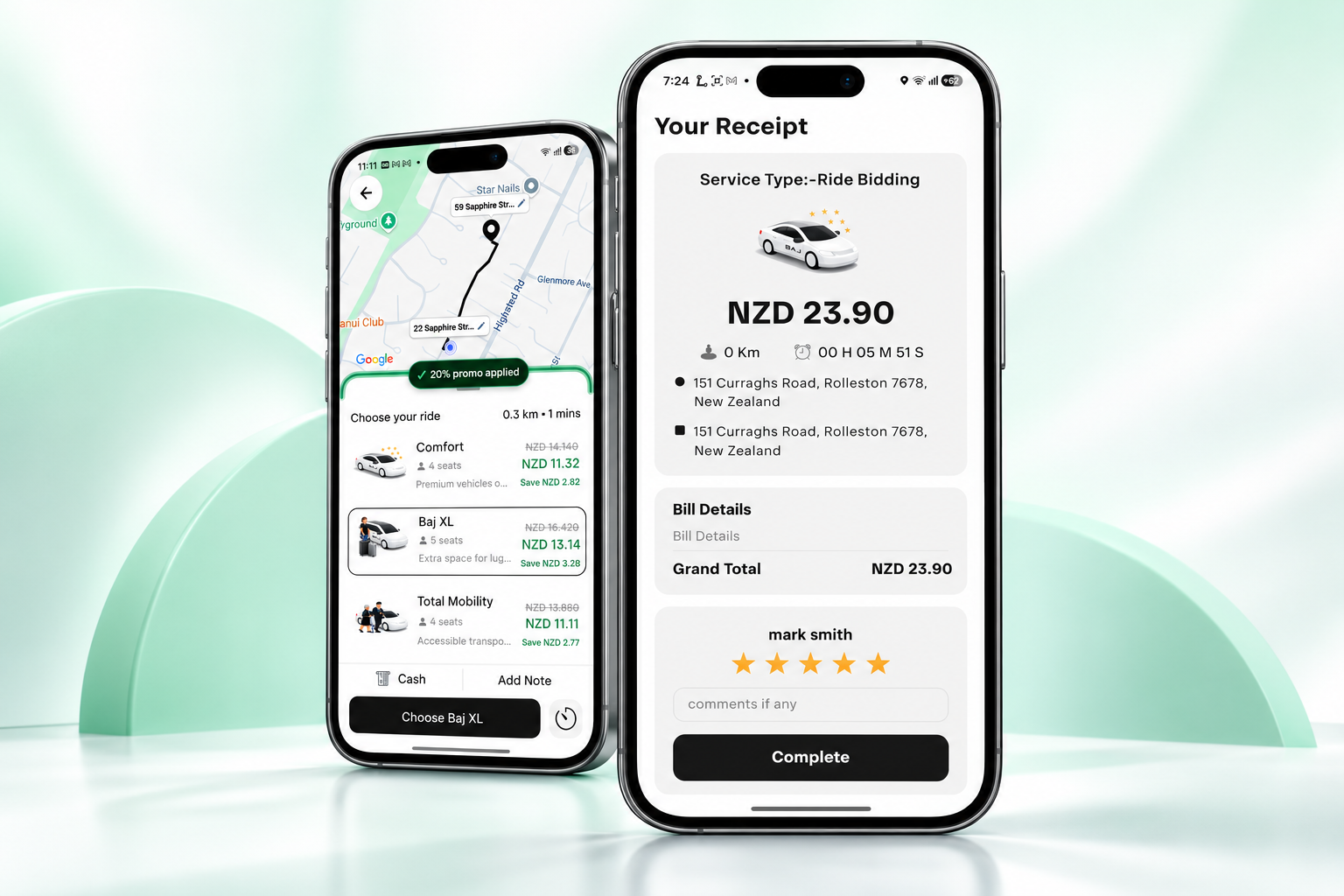
Plan which fare components customers see, how changes are handled and what appears on the final trip record.
Define the driver balance, platform charge and payout records needed for your selected commercial workflow.
Agree the currency, tax treatment, payment provider, settlement responsibilities and reporting requirements before launch.
A transport business is shaped by its service area, partners, booking types and systems. Define those details before adding modules.
Scope operating areas, service boundaries and location-based rules around your dispatch requirements. Zone-based fare configuration, driver eligibility and monitoring workflows depend on the selected implementation.
Plan airport pickup instructions, flight-information requirements, vehicle suitability and account-travel workflows. Airport-data integrations and account billing are confirmed separately for your project.
Discuss mapping and navigation, payment gateways, messaging, notifications, accounting and partner APIs. Each integration needs a defined data flow, responsibility and support scope.
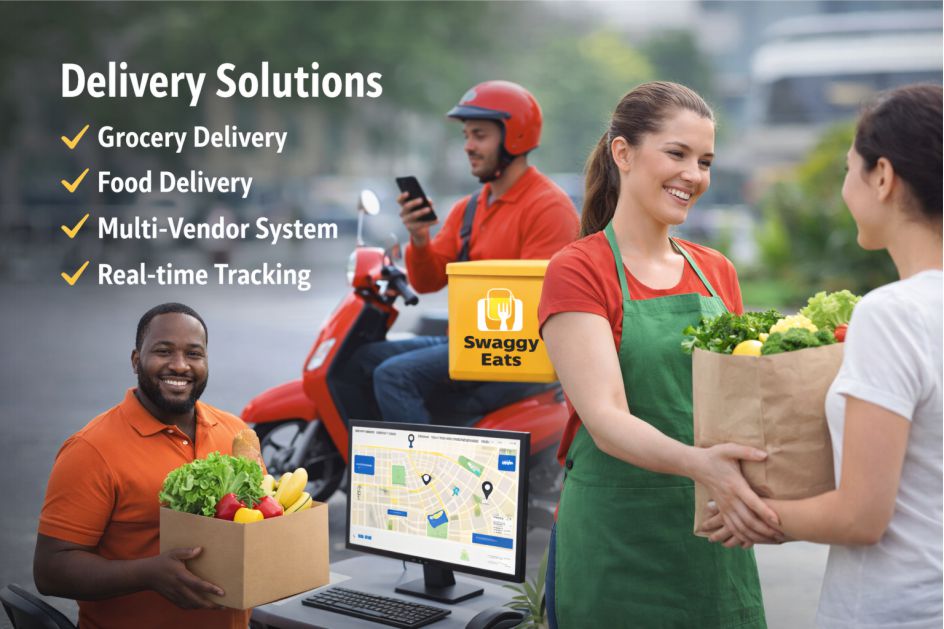
Swaggy’s wider technology capability includes delivery and a separate tours-and-activities marketplace. These can be considered as distinct projects or connected experiences, with their own booking, supplier and operating requirements.
Swaggy develops technology for independent transport and mobility brands, including Phemmy, Fast Ride and Uma Cabs. That operating experience informs how bookings, drivers, fares and backend controls fit together.
Bring your real scenarios to a demonstration: a scheduled airport pickup, an unavailable driver, a vehicle-category requirement, an interrupted connection or a disputed fare. Review the workflow you intend to use, not only the appearance of the apps.
About Swaggy Info Labs ↗For an existing fleet or a new ride-hailing brand, start with the rules and workflows the business will actually run.
Map services, markets, fleet structure, booking channels, dispatch logic and commercial requirements.
Agree branding, rider and driver apps, service categories, fares, permissions and operating areas.
Scope approved integrations and any operational data migration required for the launch.
Check rider, driver, dispatcher, fare, payment and exception scenarios in the intended configuration.
Confirm responsibilities, training and support, then plan further services or cities as the business grows.
Practical answers for taxi operators, mobility startups and businesses comparing white label taxi software.
Ask about your project ↗A taxi dispatch platform connects booking channels, driver allocation, trip activity, fare tools and management records. Swaggy’s core ecosystem includes rider and driver apps, dispatch/admin controls and GPS fare workflows. Your proposal should specify the apps, modules, integrations and support included in the deployment.
Yes. White label rider and driver apps and branded booking experiences can be configured within the agreed scope. App-store account requirements, ownership, branding assets and release responsibilities are confirmed for each project.
Swaggy can configure an independent ride-hailing platform with familiar passenger booking, driver, tracking and dispatch workflows. If you are comparing Uber clone software, review the backend, fare rules, supported payment flow and operating controls as well as the mobile screens.
An independent operator marketplace can be scoped around booking-posting, eligible participant access and redistribution of suitable work. Discuss the exact operator, driver, travel-agent, commercial and dispute workflows with Swaggy. It is not a copy of, or affiliated with, Taxi Sanchalak.
Yes. Existing taxi and private-hire operators can plan a move from legacy dispatch or manual booking processes to connected app, web and dispatcher workflows. Migration, training, existing data and rollout requirements are scoped before implementation.
The platform supports automated allocation and manual dispatch workflows. The right approach depends on service categories, driver eligibility and situations where a controller needs to select an appropriate vehicle or handle an exception.
Supported GPS-based fare calculation can continue during weak or unavailable internet connectivity and synchronise recorded information after reconnection. Live remote functions still require connectivity. Review supported devices, fare rules and offline behaviour in the configuration offered to you.
Ride bidding and outstation/intercity workflows can be included in the agreed service model. Shared-ride or pooling requirements need separate confirmation of matching, pricing and operational behaviour. Ask for a demonstration of each module you intend to sell.
A connected web, tablet or kiosk channel can allow authorised reception or business partners to request transport. The agreed booking flow can feed into the same dispatch operation as app and dispatcher jobs.
Cost and timing depend on apps, branding, services, integrations, data migration and launch support. Request a scoped proposal covering setup, recurring charges, third-party service costs, included modules and ongoing responsibilities. The team can confirm a realistic plan after reviewing your requirements.
Yes. Country-specific tax fields, fare presentation, fees, receipt details and settlement records can be scoped around your business entity and operating model. GST/VAT obligations differ between markets and between operators, drivers and platforms. Your local requirements are confirmed with your finance or tax adviser and tested in the agreed configuration before launch.
Explore the operational questions behind a taxi platform purchase.
Read the guide ↗Driver operationsUnderstand why connectivity and recorded trip information matter.
Read the guide ↗Commercial workflowsConsider how balances and platform charges fit your business.
Read the guide ↗Explore the rider app, driver workflow, GPS taxi meter and dispatch system with the team. Bring your service model and the journeys you need the platform to handle.
Tell us your country, fleet size, booking channels and whether you are launching a brand or upgrading an existing operation.
Request your platform demo ↗WhatsApp +91 79824 88080 ↗sales@swaggyinfolabs.comProduct images illustrate interface examples. Branding, enabled modules and configuration vary by deployment.