How Taxi Companies in Australia Can Reduce Costs with Smart Dispatch Technology
Running a taxi business in Australia involves managing multiple operational costs, from fuel and vehicle maintenance to staffing and administrative overhead. While many companies focus on increasing bookings to improve revenue, reducing operational costs is equally important for long-term profitability. This is where smart dispatch technology plays a transformative role.
Traditional taxi operations often involve manual processes that increase workload and reduce efficiency. Dispatchers handle bookings, accounts teams manage invoices, and management oversees driver coordination. While this structure works, it creates ongoing costs that grow as the business expands.
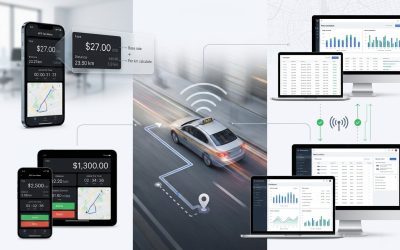
Modern dispatch platforms are designed to automate these processes and significantly reduce operational expenses. One of the most immediate benefits is the reduction in administrative workload. With automated booking management and driver allocation, businesses no longer need large teams to coordinate trips manually. This leads to direct savings in staffing costs.
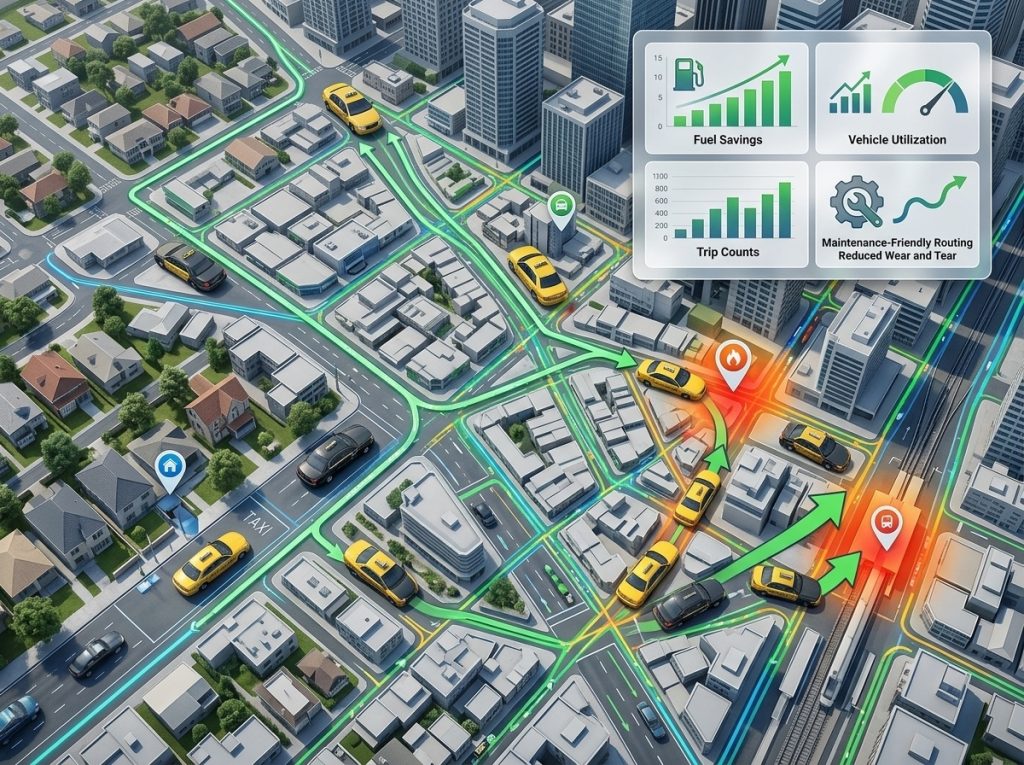
Another major cost-saving factor is route optimization. GPS-enabled systems ensure that drivers take the most efficient routes based on real-time traffic conditions. This reduces fuel consumption and travel time, allowing drivers to complete more trips while spending less on fuel. Over time, this has a significant impact on overall operating costs.
Financial automation also plays a key role. Instead of managing weekly payments and invoicing cycles, modern systems use prepaid or wallet-based models. Drivers recharge their accounts, and fees are deducted automatically per trip. This eliminates the need for manual billing and reduces the risk of delayed or missed payments.
Vehicle utilization is another area where dispatch technology improves efficiency. Idle vehicles represent lost revenue. By using real-time data and demand analysis, dispatch systems can position drivers in high-demand areas, ensuring that vehicles are consistently active. This increases revenue without increasing fleet size.

Maintenance costs can also be indirectly reduced. Efficient routing and better trip management result in less wear and tear on vehicles. Over time, this extends vehicle lifespan and reduces maintenance expenses.
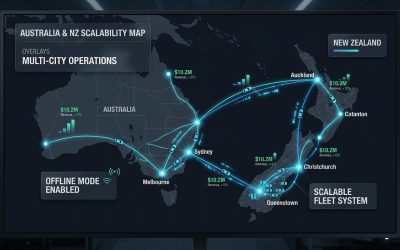
From a business perspective, these improvements create a more streamlined operation. Companies can manage larger fleets without significantly increasing costs. This scalability is essential for businesses looking to expand into new cities or regions.
In summary, smart dispatch technology is not just about improving operations—it is about building a cost-efficient business model. Taxi companies in Australia that adopt automation, real-time tracking, and flexible financial systems will gain a strong competitive advantage in an increasingly demanding market