Why GPS Taxi Meter Software is Replacing Traditional Taxi Meters
The taxi industry has undergone significant transformation in recent years, driven largely by advancements in technology. One of the most notable changes is the shift from traditional hardware-based taxi meters to GPS-based taxi meter software. This transition is not just a trend but a necessity for modern taxi operations that require flexibility, accuracy, and integration with digital platforms.
Traditional taxi meters rely on physical devices installed in vehicles, which calculate fares based on distance and time. While these systems have been used for decades, they come with several limitations. Installation and maintenance costs can be high, and updating fare structures often requires manual intervention. Additionally, these meters are not easily integrated with modern dispatch systems or mobile applications, which limits their effectiveness in today’s digital environment.
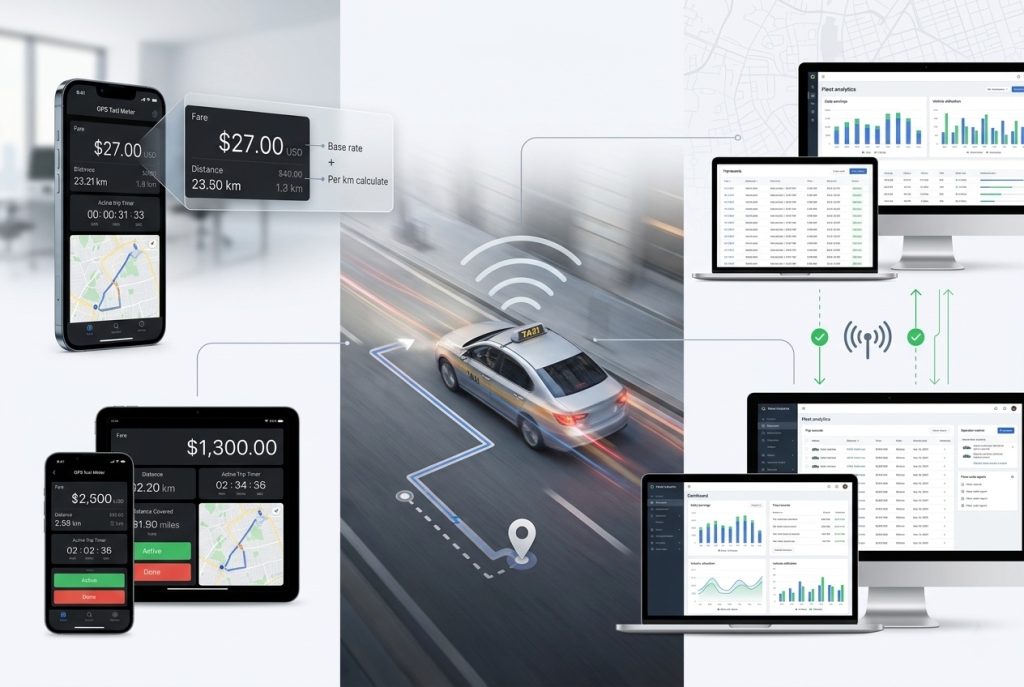
GPS-based taxi meter software addresses these challenges by using satellite data to calculate fares in real time. This approach eliminates the need for physical hardware and allows for seamless integration with driver apps and backend systems. As a result, operators can manage fares dynamically, apply different pricing models, and ensure transparency for both drivers and passengers.
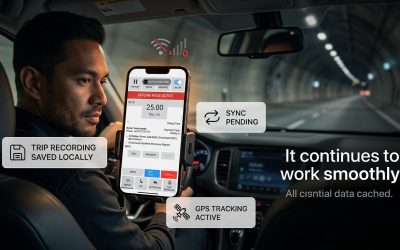
One of the biggest advantages of GPS taxi meters is their ability to function in offline mode. Unlike traditional systems that may fail or become inaccurate without proper connectivity, modern GPS-based solutions are designed to continue recording trip data even when the network is weak or unavailable. This ensures uninterrupted service and accurate fare calculation regardless of connectivity conditions.
Another important benefit is data synchronization. When the device reconnects to the network, all trip data, including distance, time, and fare, is automatically uploaded to the backend system. This not only ensures data accuracy but also provides operators with valuable insights into their operations, including driver performance, trip patterns, and revenue trends.

For taxi companies, adopting GPS taxi meter software also means improved scalability. Since the system is software-based, it can be easily deployed across multiple vehicles and locations without the need for additional hardware. This makes it an ideal solution for both small operators and large fleet owners looking to expand their operations.
In addition to operational benefits, GPS taxi meters also enhance customer trust. With transparent fare calculation and real-time tracking, passengers can see exactly how their fare is calculated, which reduces disputes and improves overall satisfaction. This level of transparency is essential in building a reliable and professional taxi service.
As the industry continues to evolve, it is clear that GPS-based taxi meter software is not just an upgrade but a fundamental shift in how taxi services operate. By replacing traditional meters with modern, software-driven solutions, taxi companies can achieve greater efficiency, reliability, and competitiveness in a rapidly changing market.