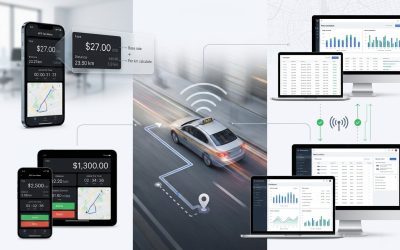
How to Start a Taxi Business with Modern Dispatch Software in 2026
Starting a taxi business in 2026 is no longer about just owning vehicles and hiring drivers. The entire industry has shifted toward technology-driven operations where efficiency, automation, and customer experience define success. Traditional taxi companies that relied on phone bookings and manual dispatch systems are now struggling to compete with modern platforms that use mobile apps, GPS tracking, and real-time data. This shift has created a major opportunity for new operators and existing taxi companies to upgrade their systems and build scalable businesses using advanced taxi dispatch software.
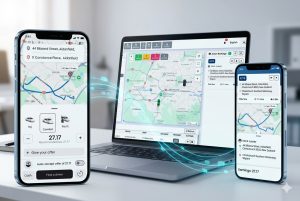
One of the most important aspects of starting a taxi business today is choosing the right technology platform. A complete taxi dispatch system includes a rider app for customers, a driver app for drivers, and a backend dashboard for operators. These components work together to manage bookings, assign drivers, track trips, and handle payments seamlessly. Unlike older systems, modern platforms allow businesses to operate efficiently even with a large number of vehicles and bookings happening simultaneously.
Another key factor is GPS-based tracking and fare calculation. With the introduction of smart taxi meter systems, operators no longer need traditional hardware meters. Instead, fares are calculated using GPS data, ensuring transparency and accuracy for both drivers and passengers. This not only reduces hardware costs but also makes the system more flexible and easier to scale across different regions.
In addition to real-time tracking, offline capability has become a crucial requirement. In many regions, network connectivity can be inconsistent, which can disrupt operations if the system relies entirely on internet connectivity. Modern taxi dispatch platforms solve this problem by allowing driver apps and taxi meters to continue functioning even when the network is weak or temporarily unavailable. Once the connection is restored, all data is automatically synced with the backend system, ensuring no loss of information.

For new businesses, scalability is another major consideration. A good taxi dispatch system should allow you to start small and expand as your business grows. Whether you are operating in a single city or planning to expand to multiple locations, the platform should support multi-city operations, multiple service types (taxi, delivery, tourism), and flexible pricing models.
Marketing and customer acquisition also play a critical role in the success of a taxi business. Having a rider app with features like fare estimation, booking history, and secure payment options helps build trust and improve customer retention. At the same time, driver satisfaction is equally important. A reliable driver app that offers clear trip details, navigation support, and accurate earnings tracking ensures that drivers remain engaged and productive.
Ultimately, the success of a taxi business in 2026 depends on how well it leverages technology to improve operations and customer experience. By adopting a modern taxi dispatch platform with GPS tracking, offline capability, and integrated mobile apps, businesses can create a strong foundation for long-term growth and competitiveness in the evolving mobility market.